

History of Elba Island: nature, Napoleon and ancient roots in the heart of the Tyrrhenian Sea
The Island of Elba, the largest of the Tuscan Archipelago, is a place that fascinates not only for its crystal-clear beaches and wild nature, but also for its thousand-year history. From the earliest Etruscan settlements to the passage of Napoleon Bonaparte, every corner of the island tells of an authentic and fascinating piece of the Mediterranean.
Etruscan and Roman origins
Elba was inhabited since the Iron Age thanks to its rich iron mines, which made the island an important mining center for the Etruscans. The Romans also used it as a strategic base and resort: the remains of ancient patrician villas overlooking the sea can still be seen in several coastal towns.
Middle Ages and Dominations
During the Middle Ages, the island was contested by several powers, including Pisa, Genoa, Spain, and the Grand Duchy of Tuscany. Each domination left architectural and cultural traces: from watchtowers to fortresses, from fortified ports to small perched villages. Volterraio Castle, the oldest fortress on Elba, still dominates the inland panorama.
Napoleon on Elba
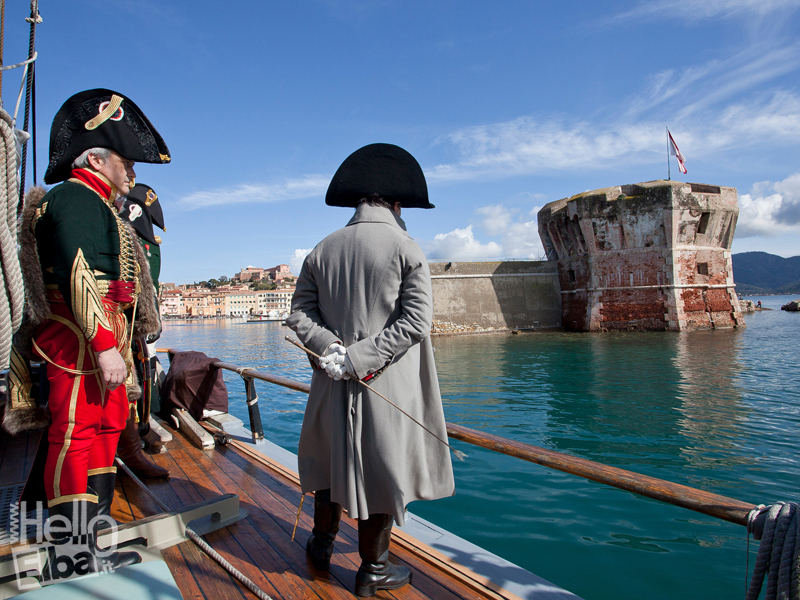
The most famous historical moment is certainly the exile of Napoleon Bonaparte in 1814. During his ten months on the island, the emperor reorganized the local administration, had roads built, and left an imprint still alive in Elba’s memory. His residence, the Villa dei Mulini in Portoferraio, is now one of the most visited museum sites.
An island between history and nature
Today, Elba Island is known for its natural beauty and the authentic hospitality of its villages. However, walking along its paths or through the streets of the villages is also a journey through the history of Italy and the Mediterranean. From mines to the sea, from Roman villas to fortresses, each stop tells of an era.
And if you really want to enjoy the summer, do it with an iced, fragrant gin and tonic–better yet with Helba!

